Planning for the Unplannable
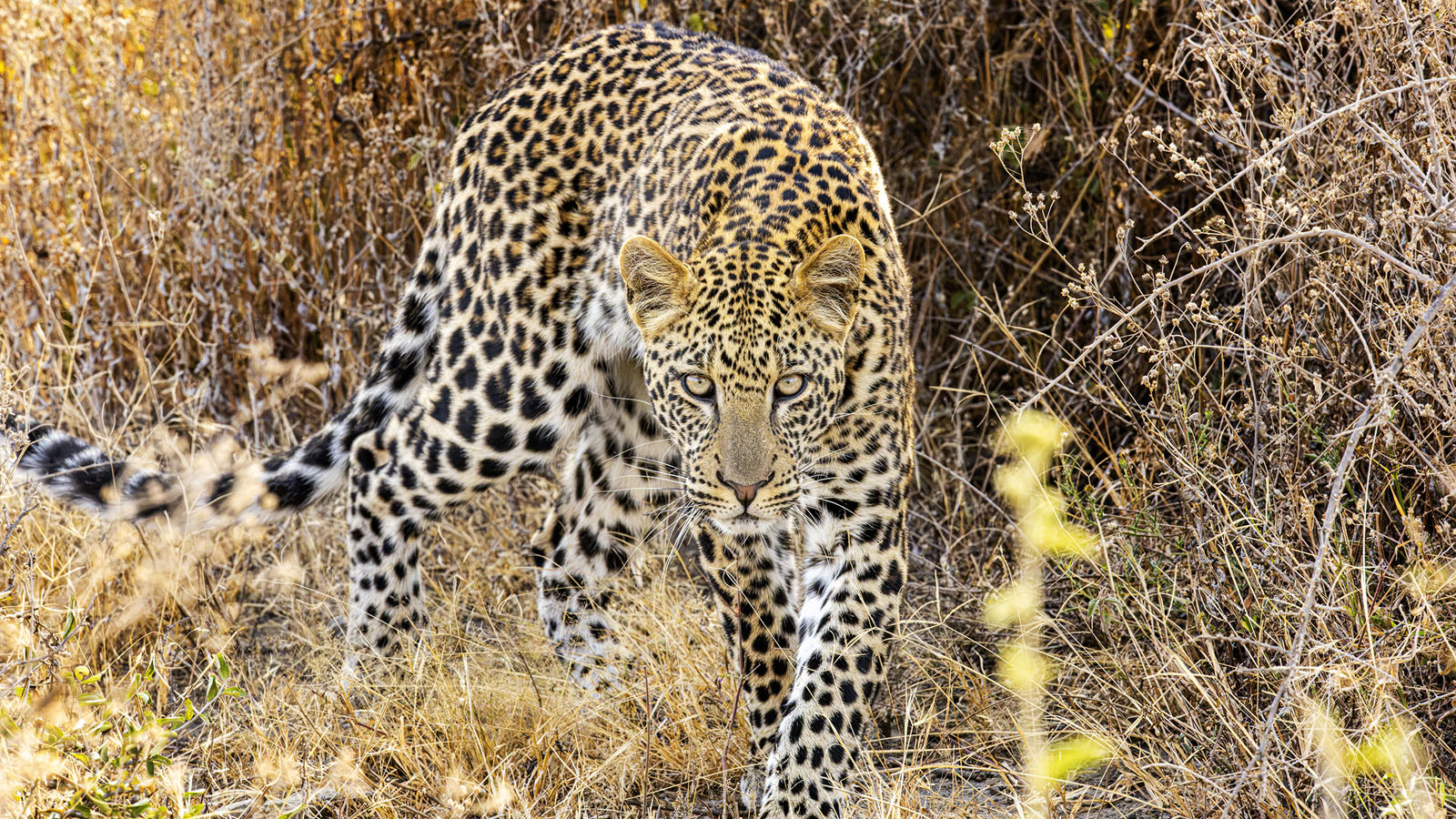
For me, every successful image starts with a plan. But how do you make a plan when you know very little about the subject, and the journey isn't a dedicated photo trip but a family adventure? The answer is a lot of research: building a knowledge base from people who've done similar things, observing the techniques of others, and assembling an equipment list that supports the vision.
For our recent trip to Africa, my knowledge of the environment was virtually nil — but seeing all the amazing images from others lit a fire in my mind. How are these images captured? What are they captured on, and most importantly, how do I make them my own? What are these other photographers doing to get images of so many incredible animals? So many questions — and honestly, you'll never understand Africa until you experience Africa first-hand.
I like to start by solving what I can — a lesson I learned early in my first math classes. What do you know, and what can you solve? I could solve the camera situation. I love the adaptability and image quality of my Hasselblad system, but for this journey I needed something that would provide amazing image quality, strong reliability, the ability to adapt to existing equipment, and the ability to accept long focal lengths. I decided on the new Sony a7R VI for this mission. Though it's a new camera, I knew from prior experience it was a system I could rely on with zero support in the field. One problem solved.
The rest of this amazing journey was out of my control. We landed in Kilimanjaro, and the next eight days of life-changing experiences were planned out by my family and our guide, Francis, from Safari Outfitters Company Ltd Wildlife is one variable a photographer cannot control. But having knowledge of behaviors, climates, geography, and weather starts to stack the deck in favor of unique encounters. This is where it's crucial to work with someone who knows the entire environment — and though the primary purpose was a family adventure, the opportunities for exceptional photography were made possible by our guide. Knowing how to work with a photographer and a family in the same environment, at the same time, is a rare attribute. Taking the scientific approach to this, specify your requirements early on. Safety is a top requirement for us. Assess risk tolerance, and quantify how much risk you are willing to accept witout compromising your safety limit. Starting here, helps one build the criteria for guide requirements. Looking back on our experience, there is not other guide I would have chosen. We all felt safe the entire time, were exposed to amazing animal experiences, and Francis took into account how everyone was feeling without having to ask. From the meals in the wild, to the experiences, to the acomodations, to the photo opportunities- Francis hit on every mark.
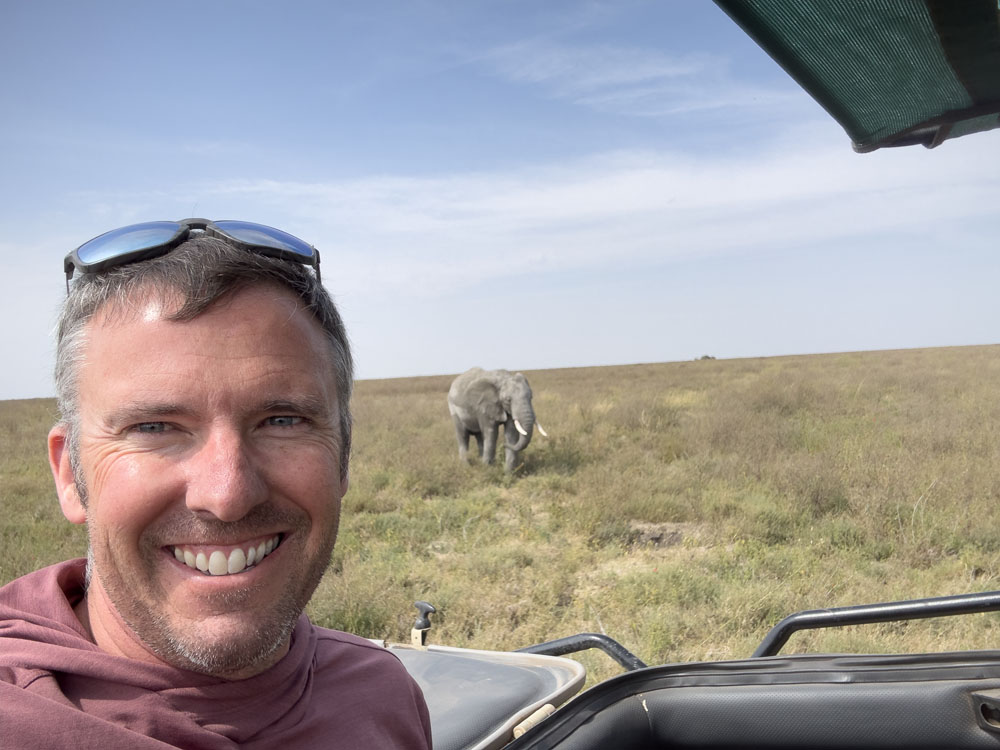
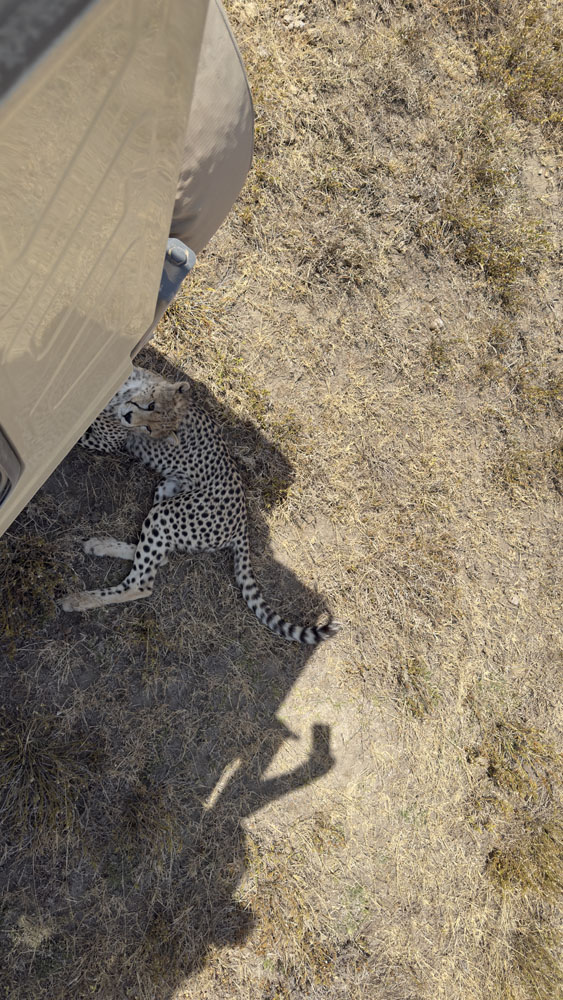
A photographer needs to be adaptable, and not always try to control the environment. Not being able to control every aspect of an opportunity is a challenge for me — but being adaptable, and creating a photographic situation in a foreign environment, is also incredibly gratifying. We observed all of the African "Big 5" on our adventure, and it was certainly not an expectation that we would. This is where the right guide is the greatest asset. Knowing where to look to be at the right place at the right time is priceless.
Lessons learned
- A good guide is critical. Do your research and know what you're getting into. Some services have mileage constraints — that doesn't give the guide flexibility to go beyond the crowds or travel into open space for unique opportunities.
- Dust. It gets everywhere. Plan to mitigate accordingly, and accept that things are still going to get dusty.
- Bring up to 400mm+. You'll be glad you did. Speed isn't a top priority — new cameras have such clean sensors — but make certain it's good glass. I brought a 24–70, a 70–200, a 300, and a 1.4× teleconverter, and was never left wishing for more. I honestly rarely used the 24–70.
- Pack versatilely. Space is very limited on the small aircraft you'll travel on within Africa, and you're going to be bouncing around a lot on safari. We love our equipment, but only take what you'll need. Forget the tripod — you'll be shooting from the vehicle 99% of the time. If you absolutely need one, ask whether a lodge can lend you one (that's what I did). Instead, bring bean bags: they're lighter than sandbags and just as functional. If you'd rather not pack either, ask your guide ahead of time whether they can provide them.
Questions? Feel free to reach out. I'm an open book, and always willing to help others on their photographic journeys.